

If your selfies keep whispering “forehead first,” you’re not alone. People bring this up all the time in clinics and salons, including those in Western Australia, because it can affect confidence more than you’d expect. The good news is you have options. Some are quick styling tweaks. Others involve skin and brow choices. And if your hairline has changed, there are medical conversations worth having.
What Makes a Forehead Look Bigger
A “big” forehead is usually about proportions, not a measurement. Hairline height, hair density at the front, and the shape of your hairline all play a role. Face shape matters too, because a longer face can make the upper third look more prominent. Lighting and camera angles can also exaggerate things, especially wide-angle phone lenses. It’s also common to notice this more during times of stress or hormonal changes. Some people experience subtle thinning around the temples or along the front hairline. That can create a more visible scalp and make the upper face stand out. If you’re seeing a sudden shift, it’s worth paying attention rather than assuming it’s “just your face.”
Simple Styling Fixes That Change Proportions
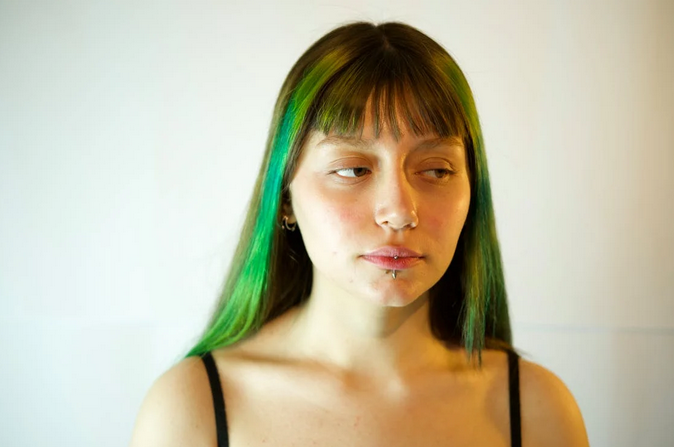
Haircut choices can change the look of your hairline fast. Soft fringes, curtain bangs, or face-framing layers can visually shorten the upper face. Volume at the sides can also balance proportions, especially if your hair tends to fall flat on top. Even switching your part can make a noticeable difference. Styling habits matter as much as the cut. Tight ponytails, slick buns, and repeated tension on the hairline can worsen breakage over time. If you love a pulled-back look, consider looser styles and rotate your go-to hairstyle. Think “gentle grip,” not “scalp facelift.” Your hairline will be less annoyed.
When the Hairline Is the Main Factor
Sometimes the concern isn’t the forehead itself, but the hairline changing. Hair thinning, recession at the temples, or widening part lines can shift the frame of the face. Common causes include genetics, hormonal shifts, stress, certain medications, and scalp conditions. Styling can camouflage, but it won’t address the root issue. If you notice increased shedding, patchy areas, scalp irritation, or a fast change over months, it’s smart to talk with a medical professional. A GP or dermatologist can check for treatable causes such as iron deficiency, thyroid issues, or inflammatory scalp conditions. Early evaluation can open more options. Waiting it out can limit them.
When to Talk to a Professional
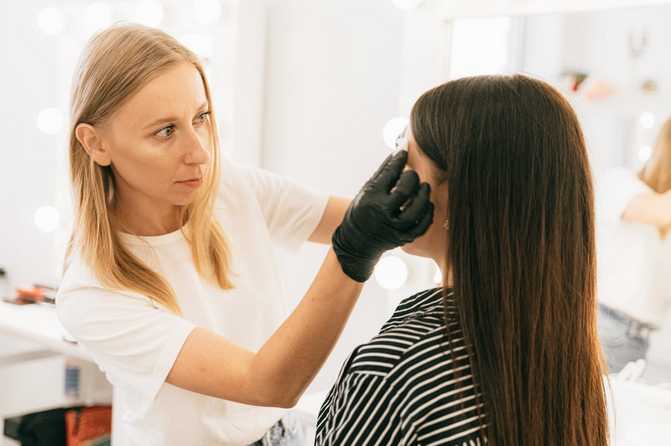
A consultation can be helpful if you want a clearer plan than “try a new haircut and hope.” Hair specialists can assess density, hairline pattern, and scalp health. They may discuss non-surgical approaches or, in some cases, procedural options based on your situation. If you’re located in Western Australia, clinics such as New Hair Clinic provide hair restoration consultations and education resources that can help you understand what’s realistic. Bring specifics to the appointment.
Note when you first noticed changes, any recent stressors, new medications, or postpartum timing. Take a few photos in consistent lighting to track changes without guessing. And keep expectations grounded. The goal is progress and confidence, not perfection under a bathroom spotlight at 7 a.m.